

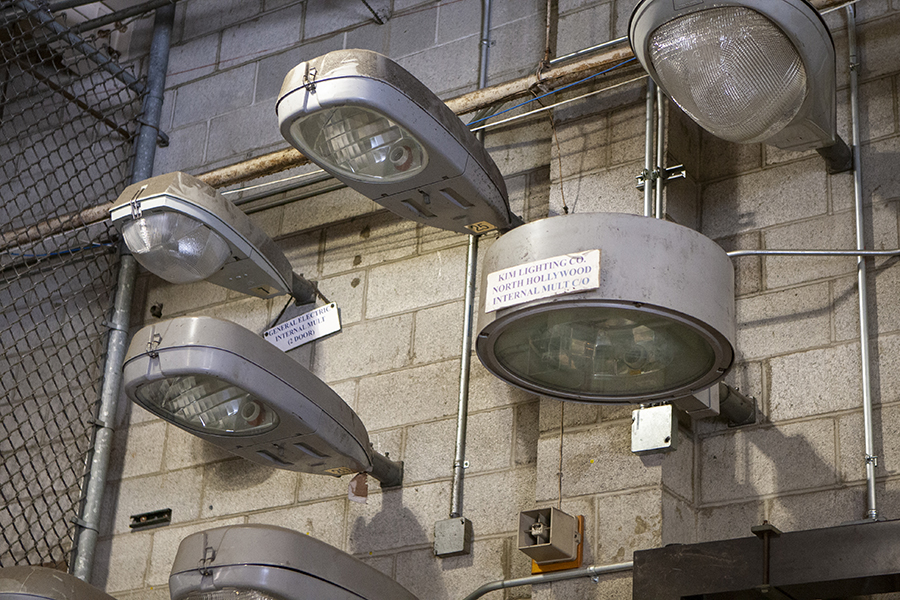
Due to aging infrastructure and a need for innovation in the City of Los Angeles, property owners will vote by mail on whether or not to approve the fee increase to manage and upgrade a street lighting system that is over 100 years old.


By Jason Lewis
The City of Los Angeles’ aging street light system is in need of upgrades and also part replacements and repair, but due to budget cuts the Los Angeles Bureau of Street Lighting does not have enough funding to address the issues.
The bureau currently collects roughly $45 million per year from assessments, while it would need roughly $112 million annually. That has led the Los Angeles City Council to move forward with a proposal to increase the street light assessment fee paid by property owners. Over half a million Los Angeles property owners will receive ballots starting April 17, where they will vote by mail on whether or not to approve the increase fee. Home owners will have until June 2 to mail in their ballot. This ballot is not a part of the upcoming statewide primary election, which will be held on June 2.
The City of Los Angeles has more than 220,000 street lights which are tied together by roughly 9,000 miles of underground electrical conduit and 27,000 miles of copper wire that powers the city. The bureau has 185 field staff, 150 utility vehicles, and 35 electrical crews.
Two of the main issues that the bureau is dealing with are an aging infrastructure and keeping up with cost-saving innovation. Theft of cooper wire and vandalism are also issues. These issues were discussed at a press conference that was hosted by American Community Media.
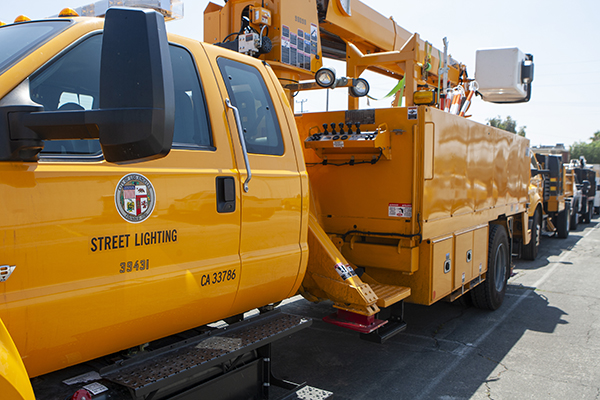
“The street lighting system is working as designed,” said Miguel Sangalang, executive director and general manager of the Bureau of Street Lighting. “We must remember that it was designed 100 years ago, and technology back then obviously was different.
“With all infrastructure, there’s a lifespan. There’s a lifespan for the LED lights and there’s a lifespan for the poles. Theft and vandalism might be the most glaring issue right now, but what is at risk is that half of our current infrastructure is end of life when it comes to the bulbs itself. By 2050 from the data that we see about a quarter of our poles will be end of life. That’s about 40,000 poles or so that are risk of falling over and creating other injuries.”
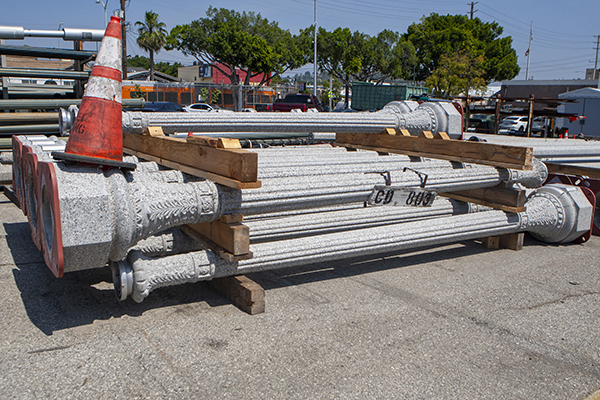
Sangalang also pointed out that with the amount of equipment that needs to be replaced, the bureau has received increased service requests from constituents (roughly 32,000 requests per year). With the increased demands, repair time for a single request could take up to one year.
Innovation wise, switching to LED technology has saved the city a considerable amount of money, but that system is aging as well.
“Innovation has resulted in being more efficient,” said Fabian Cheng, assistant director and chief engineer for the Bureau of Street Lighting. “Back in 2008 we were one the first city to change all of the street lights to LED technology. That not only increased the lifespan of the fixtures but also reduces our energy costs by $10 million per year. We were able to invest that money into other programs.”
LED lights lasts more than 10 years and has a reduction in maintenance and energy costs.
“While the LED program was a great success over the last 10 years, we’re at a point where most of these lights have reached their end of life,” Cheng said. “About 10-plus years, some of them 15 years, need to be replaced. This is something that we currently do not have funding for.”
There are about 100,000 street light poles that need to be replaced.
“Some of those poles are quite old and need to be replaced,” Cheng said. “The engineering standard is about 75 years of age for these lighting poles. In the past we used to have a pole replacement program, but that was eliminated due to the recession. We haven’t been able to get additional funding for that.”
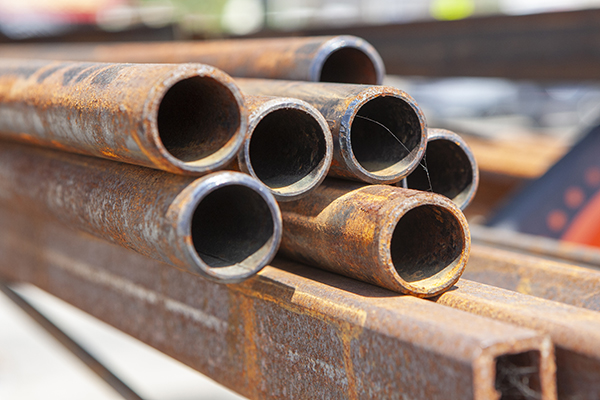
With the underground electrical conduit system, pipes have become corroded and need replacement.
For more information visit https://lalights.lacity.org/